Game Day Nutrition for Young Athletes: What Kids Should Eat for Energy and Performance

Fueling Young Athletes: Why Nutrition Matters

Youth sports are an incredible opportunity for children to build confidence, teamwork, discipline, and physical strength. But behind every great performance is something many families overlook—proper nutrition.
Young athletes are not just exercising; they are also growing rapidly. Their bodies are building muscle, strengthening bones, developing their brains, and recovering from physical activity all at the same time. Because of this, what they eat directly impacts their energy, endurance, focus, and recovery.
Unfortunately, youth sports culture often revolves around convenience foods and concession stands filled with pizza, pretzels, candy, and sugary drinks. While these foods may seem harmless in the moment, they can actually work against a young athlete’s body and performance.
When children learn to fuel their bodies with real, nutrient-dense foods, they perform better, recover faster, and build healthy habits that can last a lifetime.
What Growing Athletes Need to Perform and Grow
Young athletes need a balanced combination of nutrients to support both growth and athletic performance. Their bodies require protein for muscle repair, healthy fats for brain development and sustained energy, and quality carbohydrates for activity fuel.
Vitamins and minerals also play critical roles. Iron helps deliver oxygen to working muscles, calcium strengthens bones, magnesium supports muscle function, and B vitamins help the body convert food into usable energy.
While nutritional needs increase as children grow, the foundation remains the same: whole
foods that provide steady energy instead of quick spikes and crashes.
The most important nutrients for young athletes include:
Quality protein for muscle growth and recovery
Healthy fats for sustained energy and brain development
Whole-food carbohydrates for endurance and activity
Vitamins and minerals that support bone strength and oxygen delivery
Proper hydration for stamina and focus
When these needs are met consistently, athletes have the fuel they need to compete, grow, and recover properly.
How to Fuel Kids Before, During, and After Games
Game days and tournament weekends place extra demands on a child’s body. Many young athletes play multiple games in a single day or compete for several days in a row. Without proper fueling, energy levels can drop quickly.

Before a game, athletes should eat a balanced meal about two to three hours prior to competition. This meal should include protein, healthy fats, and easy-to-digest carbohydrates to provide steady fuel.
Examples include eggs and toast, Greek yogurt with fruit, or a chicken sandwich on sourdough bread. These meals provide sustained energy without feeling heavy during activity.
During tournaments or long game days, small snacks between games help maintain energy levels.
Great snacks for youth sports tournaments include:
Bananas, apples, or oranges
Yogurt or cheese sticks
Protein bars with minimal added sugar
Meat sticks or jerky
Fruit rolls or fruit leather
Nuts or trail mix
These foods provide quick energy while also supplying nutrients that support the body.
Why Concession Stand Foods Hurt Athletic Performance
Walk up to almost any youth sporting event and you will see the same foods on the concession stand menu—pretzels, pizza, hot dogs, nachos, chips, candy, and sugary drinks.

While these foods are convenient, they are typically made with refined carbohydrates, inflammatory oils, and artificial additives.
When athletes eat large amounts of sugar and processed carbohydrates, their bodies experience a rapid spike in blood sugar followed by a sudden crash. That crash can lead to fatigue, irritability, and difficulty concentrating.
For an athlete, this often means:
Reduced endurance
Slower reaction time
Difficulty focusing during games
Increased fatigue
Highly processed foods can also increase inflammation in the body, slowing muscle recovery and increasing soreness after games. Heavy foods like pizza or hot dogs can also sit in the stomach during activity, causing discomfort or sluggishness.
Simply put, these foods do not support peak athletic performance.
Our Family’s Game Day Nutrition Routine
For years, our family has had child athletes, and for just as long, we’ve been the family that packs the cooler.
No matter the sport, the distance, or the length of the tournament, we always bring food.
Even when we travel out of state for tournaments, we stop at a grocery store and load up on premade healthy salads, fruit, and nourishing snacks.
Over time something funny things started happening. Our kids’ teammates began to notice.
They realized we were the family with the snacks that actually made them feel good. Before long, kids would wander over between games and start digging through our snack bag or cooler.
They’d ask:
“Do you have one of those fruit rolls?”
“Can I grab a meat stick?”
“What kind of bar is that?”
They knew the food in our bag would give them energy instead of making them feel sluggish.
Parents often say the same things to me.
“You’re so good about this. I need to be better.”
“I just never have time to pack food.”
“I honestly don’t think about it.”
“Because of you, we packed snacks today!”
The truth is, it’s not about being perfect. It’s about planning ahead.
When it comes to feeding young athletes, everything comes down to three simple steps:
Planning what food you will need
Purchasing it ahead of time
Packing it before you leave
Most families skip the planning step, and when game day arrives everything falls apart. That is exactly why we keep a dedicated game day snack bag.

The Game Day Snack Bag Every Sports Family Needs
Our snack bag goes to every game with us. Inside we keep packaged snacks, plates, napkins, and other simple essentials so we are always prepared.
Before every sports weekend we grab the bag, check what’s inside, and restock anything we’re low on.
Some of our regular snacks include:
Chomps meat sticks
Protein bars
Bear fruit rolls
Simple Mills Crackers or Siete chips
Dry Nuts or trail mix (no sugar added)


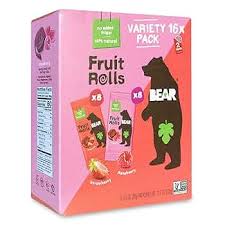


Once you get into the habit of packing food, it becomes second nature. It is also incredibly convenient.
Anyone who has spent a long day at the ball field knows that hungry kids quickly become tired, whiny, and grouchy. Having nourishing food on hand makes the entire day easier.
Healthy Game Day Foods That Travel Well
Packing food for tournaments does not need to be complicated. In fact, simple foods are often the best.
Some of our favorite game-day foods include homemade chicken salad, tuna salad, or sandwiches on sourdough bread. Fresh fruit and baby carrots are easy additions that provide vitamins and hydration.
Crackers or chips paired with protein can make a satisfying snack between games.
Easy foods to pack for kids sports tournaments:
Homemade chicken salad or tuna salad
Sourdough sandwiches
Baby carrots and fresh fruit
Crackers or chips paired with protein
Homemade cookies for special tournament weekends
These foods provide the balance of nutrients athletes need while still being simple and kid-friendly.
Teaching Young Athletes That Food Is Fuel
Sports provide an incredible opportunity to teach kids an important lesson—food is fuel.
When young athletes begin to notice how different foods affect their bodies, they start to understand that nutrition directly impacts how they feel and perform.

When children fuel their bodies properly, they often experience:
More consistent energy
Better focus during games
Faster recovery after activity
Stronger muscles and bones
Packing nourishing meals and snacks may take a little extra effort at first, but once it becomes a habit, it is one of the most powerful ways to support a child’s health and athletic performance.
And who knows—you might just become the team’s favorite snack family too. ⚽🏀🥎
Frequently Asked Questions About Nutrition for Young Athletes
What should kids eat before a game?
Young athletes should eat a balanced meal two to three hours before competition. Meals with protein, healthy fats, and carbohydrates provide sustained energy. Good examples include eggs and toast, yogurt with fruit, or a chicken sandwich on sourdough bread.
What are the best snacks for youth sports tournaments?
The best tournament snacks provide quick energy and nutrients. Fruit, meat sticks, yogurt, nuts, protein bars, cheese sticks, and fruit rolls are all great options.
Why should athletes avoid concession stand food?
Concession stand foods are often highly processed and filled with refined carbohydrates, sugar, and inflammatory oils. These foods can cause energy crashes, reduced focus, and slower recovery for athletes.
What foods give athletes quick energy?
Foods with natural carbohydrates provide quick energy. Bananas, oranges, apples, yogurt, dates, and fruit-based snacks are great choices that provide energy without the crash associated with candy or soda.


Comments