What Kids Should Eat Daily for Optimal Health While Growing

A parent-to-parent guide from Nourished Knights
If you’re here, chances are you’re already trying.
You’re reading labels. You’re questioning snacks. You’re wondering why your child seems wired, tired, emotional, or hungry five minutes after eating.
Let me say this first, parent to parent:
You are not doing this wrong.
Feeding kids well in today’s world is harder than it should be. The goal isn’t perfection — it’s building a daily foundation for healthy child growth and brain development.
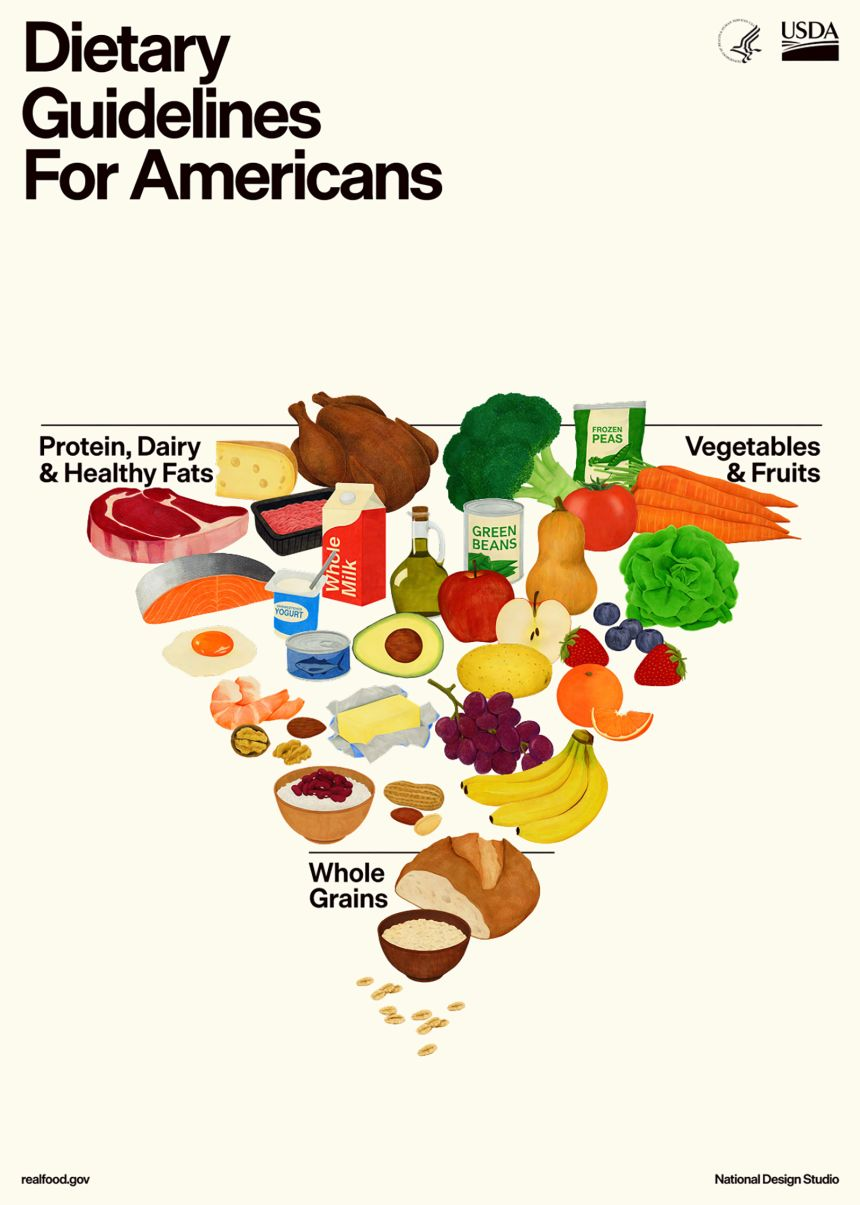
This isn’t a strict food plan. This is a way of thinking about what kids should eat every day for optimal health.
Start With the Big Picture: Daily Nutrition for Kids (Not Perfect Plates)
Kids don’t need a rainbow on every plate (we’d love it if they did, but we know how hard that is in our everyday lives).
They don’t need gourmet meals.
They don’t need to love everything they eat. (This is a big one. Sometimes it’s just food. Even if it’s not their favorite, they can still eat it. If they don’t like it at all, that’s okay too, keep trying! Maybe one day they will).
What they do need is reliable nourishment, day after day.
At Nourished Knights, we focus on a few non-negotiables that, when eaten consistently, support:
Growth
Focus
Mood stability
Better sleep
Fewer crashes and meltdowns
Let’s break it down in a way that actually works for real families.
Protein for Kids: The Daily Foundation for Growth and Focus
If there’s one thing most kids need more of, it’s protein.
Protein isn’t just about muscles — it’s about brains.
It provides the building blocks for neurotransmitters that help kids:
Focus
Regulate emotions
Stay calm
Feel satisfied after meals
What this looks like in real life
Eggs at breakfast
Meat, fish, or dairy at lunch
A solid protein at dinner (meat/fish)
Protein-based snacks

Kid-friendly protein options
Eggs (scrambled, boiled, muffins)
Grass-fed beef, chicken, turkey
Meatballs or burgers
Full-fat Greek yogurt or cottage cheese
Cheese
Beans or lentils (if tolerated)
Protein bars for snacks
Grass fed protein smoothies
What to say to your child
When emphasizing protein in your child’s diet, it’s best to include them in the process. Give them protein choices to choose from and tell them why protein is important and how it helps the body.
“Protein helps your body grow strong and helps your brain focus.”
“This helps you feel full and steady longer.”
“Our bodies need protein to operate properly.”
Healthy Fats for Kids: Daily Brain Fuel for Learning and Mood
Kids’ brains are still growing — and brains are mostly made of fat.
Healthy fats help with:
Learning
Emotional regulation
Vitamin absorption
If kids are low on fat, they’re often low-focus.
Healthy fats options to include daily
Butter or ghee
Olive oil or avocado oil
Avocados
Fatty fish
Nuts and seeds
Grass fed beef Tallow
Coconut oil

Simple ways to add fats
Butter on veggies
Olive oil on rice or potatoes
Avocado slices with meals
What to say to your child
“Healthy fats help your brain send messages better.”
Healthy Carbohydrates for Kids: Energy Without Sugar Crashes
Carbs aren’t the problem — processed carbs are.
Kids need carbs for growth and play, but they do best when carbs are paired with protein and fat.
Better carb choices
Rice
Potatoes and sweet potatoes
Oats
Fruit
Sourdough bread

Carbs to limit
Sugary cereals
Crackers and chips
Juice
What to say to your child
“These give your body energy that lasts.”
Fruits and Vegetables for Kids: Daily Exposure Without Pressure
Fruits and vegetables matter — but pressure backfires.
Some days kids will eat them.
Some days they won’t.
Both are okay.
The goal
1–2 fruits daily
1–2 vegetables daily
Exposure counts even if they don’t eat it
Kid-friendly options
Berries, apples, pears
Cucumbers, carrots, bell peppers
Sweet potatoes, peas

Parent reminder
It can take 15–20 exposures before a child likes a food.
That’s not failure — that’s learning.
Key Nutrients Kids Often Lack (And How to Get Them From Food)
Many kids today are low in key minerals that support growth and calm behavior.
Focus on food sources of:
Iron: red meat, eggs
Zinc: beef, dairy, pumpkin seeds
Magnesium: leafy greens, bananas, nuts
Omega-3s: salmon, sardines, chia or flax
You don’t need supplements to start — food first matters.
What a Healthy Day of Eating Looks Like for Kids
This is what nourishment can look like without stress:
Breakfast
Eggs + fruit + buttered toast
Snack
Yogurt or cheese + apple
Lunch
Leftover protein + rice or potatoes + fruit
Snack
Banana with nut butter
Dinner
Protein + carb + fat + veggie
Not fancy.
Just consistent.
My kid will never eat this!
If you’re thinking: “My kid will never eat this.” You’re not alone.
What actually helps
Serve new foods alongside safe foods
Ask for three polite bites
No pressure, no bribing
Stay neutral
Language that builds trust
“You don’t have to love it. Just try it.”
“Your job is to try. My job is to choose.”
“It’s okay if this isn’t your favorite yet.”
Eat the food too!
Kids trust what they see, and when they watch you eat these foods calmly and confidently, it signals safety and familiarity, making them far more likely to try them themselves. Progress can feel slow, and some days will feel like setbacks, but that doesn’t mean it isn’t working — consistency, exposure, and your steady presence are quietly building trust and long-term habits, even when it doesn’t look like it in the moment.
You are teaching:
How to listen to their body
How food supports how they feel
Skills they’ll carry for life
This isn’t about control.
It’s about nourishing growing knights.
And if no one has told you today:
You’re doing a really good job.
— Nourished Knights


Comments